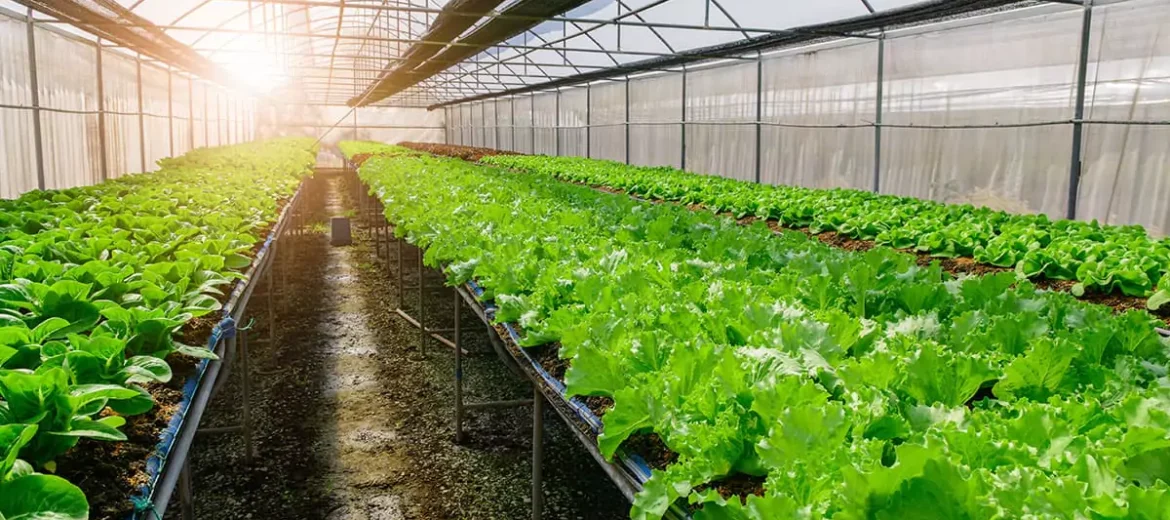
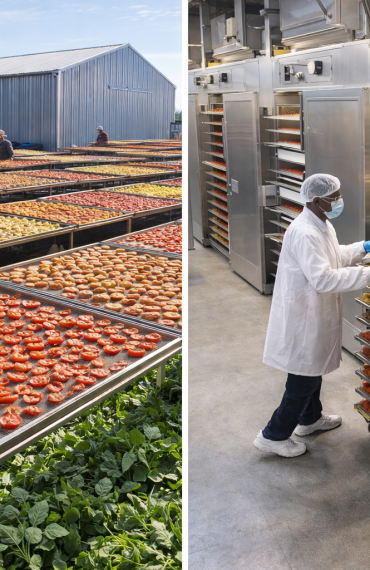
The Hybrid Farming project integrates traditional agricultural practices with modern technology to improve productivity, resilience, and sustainability. By combining conventional soil-based farming with controlled, technology-driven methods, the project optimizes land use, reduces resource waste, and increases crop yields. Farmers adopt improved seed varieties, precision irrigation, mechanized operations, and data-informed farm management to enhance efficiency and consistency.
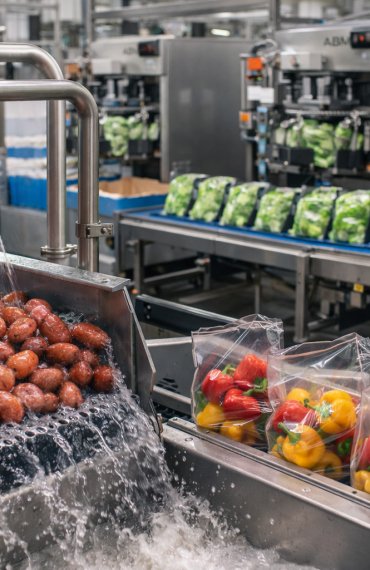
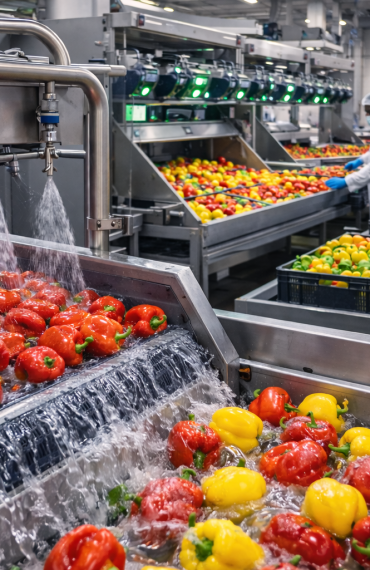
The project also promotes climate-smart practices that mitigate risks associated with weather variability, pests, and soil degradation. Through improved input management and monitoring, Hybrid Farming ensures better crop quality, predictable harvest cycles, and reduced post-harvest losses. Livestock and crop systems are strategically integrated to maximize resource efficiency, including the reuse of organic waste for soil enrichment.
Hybrid Farming strengthens food security by enabling year-round production and stable supply chains. It empowers local farmers through training, access to modern tools, and technical support while preserving valuable indigenous farming knowledge. Overall, the project delivers higher yields, improved quality, and sustainable income opportunities, positioning the business to meet growing local and export market demand efficiently and responsibly.
Challenges
The project responds to low yields, climate risks, limited technology access, and weak integration between traditional and modern farming systems.